

You Are The Captain Of Your Career
A 60-minute exercise for turning feedback into a concrete career plan.

I got a lot of outreach after the last newsletter post, How To Build A Better Feedback System For Professional Development. So much so that I asked Dan Wolchonok to help write a follow-up that goes one step further. And because he’s Dan, he took it several steps further. The first post was about collecting better feedback. This one is a masterclass in turning that feedback into a concrete career plan.
Dan Wolchonok has spent his career building products that help people learn and improve at work. He founded and sold a company to HubSpot and helped them launch new products and PLG. He then spent nearly a decade at Reforge building the company and new products. Today, he is the founder of Work Coach, an AI-powered coach that helps professionals understand and improve how they show up at work. He’s also made a few mistakes along the way.
I’ve been recommending Work Coach to anyone and everyone I can. Not only because it’s incredibly well built but because it’s also genuinely useful in an age when feedback is in short supply and managers are spread thin. So give it a look.
My last newsletter was about building a system that produces useful feedback. Dan’s work focuses on what happens next. Feedback only matters if you can make sense of it, decide what to practice, and determine whether you are actually improving. Work Coach closes that loop by using real moments from your meetings and feedback from the people around you to identify patterns, turn them into actions, and track your progress over time.
I’ve known Dan for years, and he is one of the most relentlessly practical people I’ve worked with. He doesn’t stop at advice like “get more feedback” or “own your career.” He wants to know what the evidence says, what you should do next, and how you’ll know whether it worked. I thought today’s nautical theme was a nice touch too.
In today’s post, Dan will show you how to:
Choose a clear career destination
Assess your current position using real evidence
Turn feedback into a concrete next step
Make a specific request of your manager
Agree on when and how to correct course
He ends with a downloadable template that you can fill out yourself AND one pre-filled as an example. But don’t skip to the end just yet (that’s cheating) read what he has to say first.
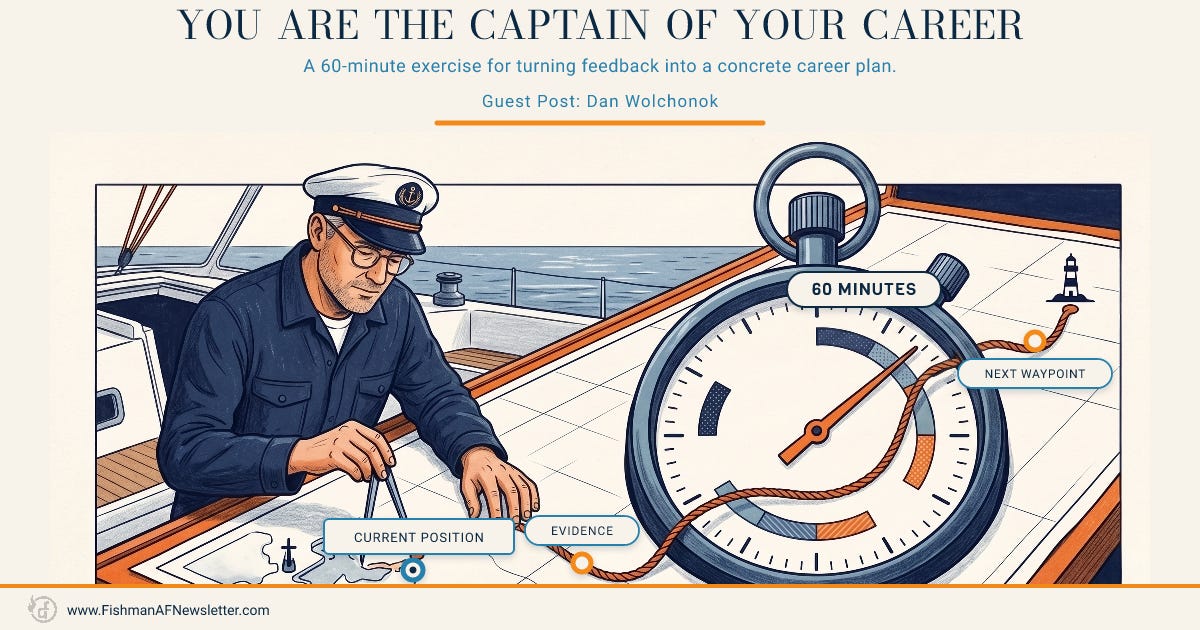
Far too many people think their manager is responsible for getting them promoted. They are not. You are the captain of your career, and your manager is the navigator. They can help you read the conditions, spot hazards, and pressure-test the route. You still choose the destination and own the decisions along the way.
As captain, it’s your job to:
Choose your destination
Establish your current position
Chart the course
Pressure-test the route with your navigator
Keep the right people informed along the way
Review the evidence and correct course
Share credit with the people who helped you get there
One hour to chart your course
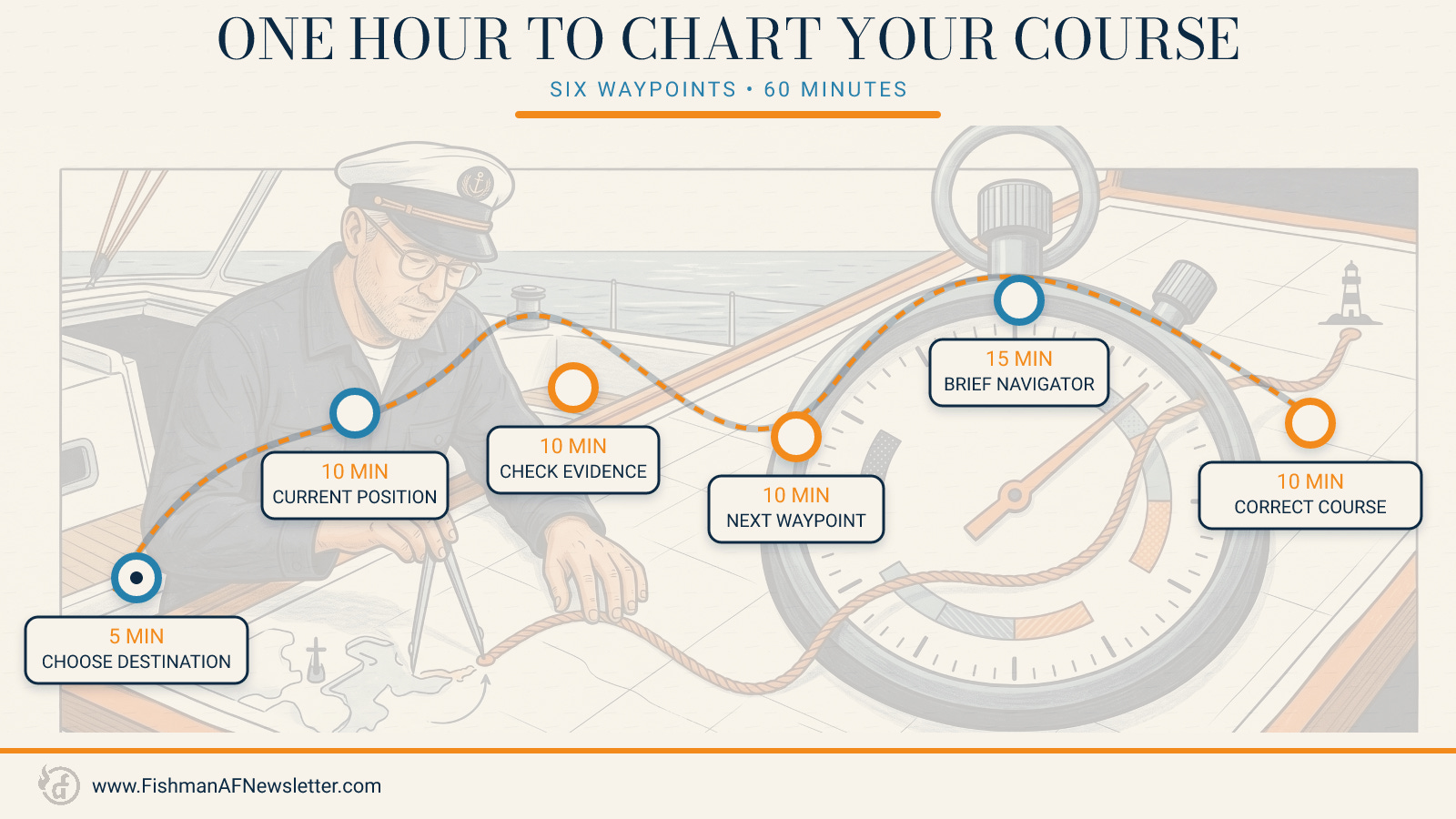
We’re too busy managing our agents to stop and think about our own careers. Ask your agents to chill for an hour while you invest in yourself.
This is one hour to draft your plan, not to collect brand-new feedback. Use the evidence you already have. If evidence is missing, mark the gap and schedule time to get it.
By the end of the hour you will have:
One career destination
An honest assessment of your current position
Evidence supporting and contradicting that assessment
One meaningful next step
A specific request for your manager
A date to review the evidence and correct course
5 minutes: Choose the destination
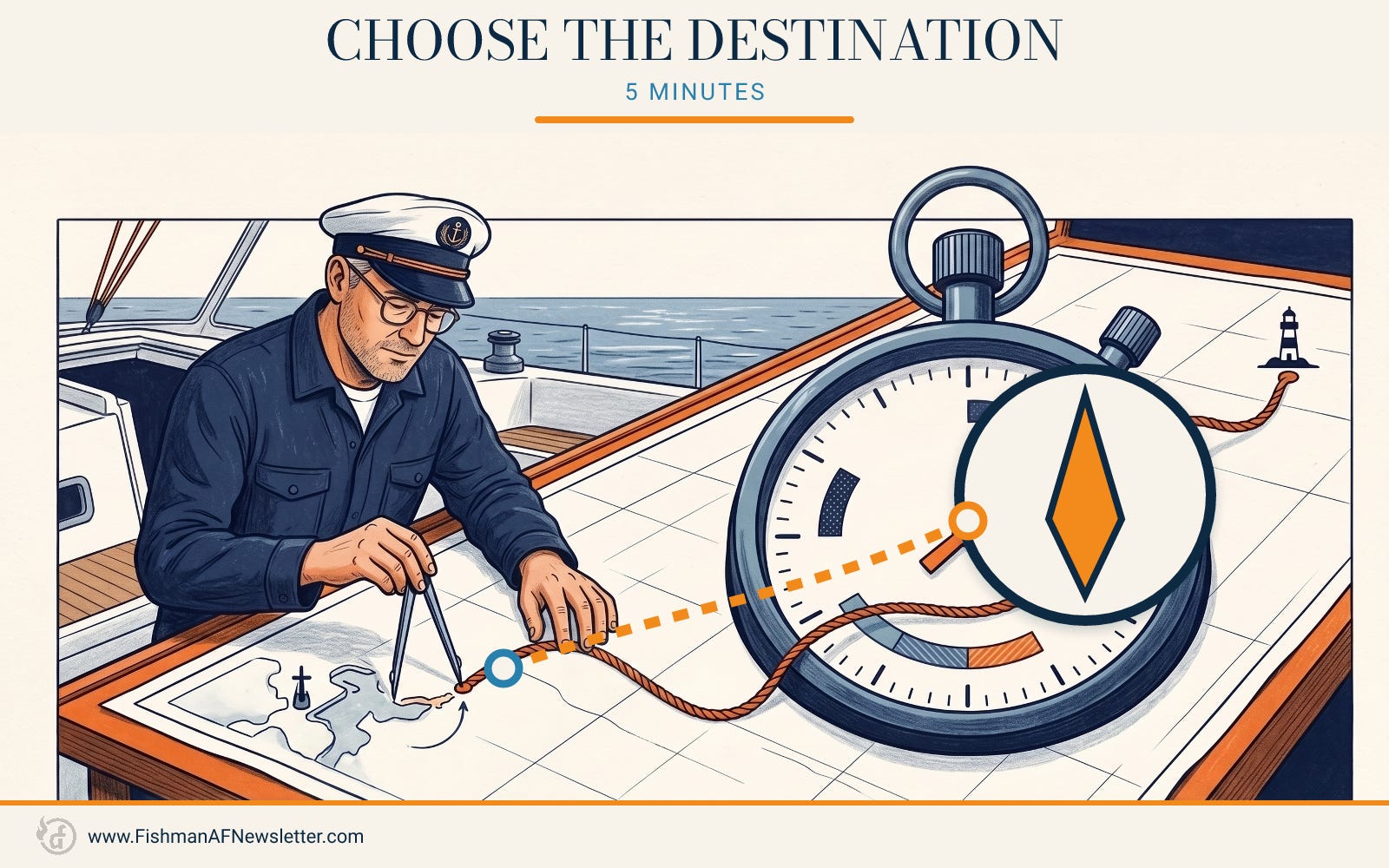
Name what you want without overthinking it:
Promotion
Exceeds expectations in your next review
Greater organizational influence
More effectiveness in your current role
Technical proficiency
Stronger team building or management
More career options
If the destination is not obvious, use the three career phases to decide whether you are trying to validate impact, demonstrate repeatable success, or unlock optionality.
Template: Over the next [time period], I want to [career outcome].
Examples:
Over the next 18 months, I want to be promoted to Senior Product Manager
Over the next 12 months, I want to become the expert at our company in agents
Over the next 3 months, I want to be a much more effective communicator
Over the next 6 months, I want my team’s morale to increase dramatically
Over the next 90 days, I want to influence my group’s roadmap (not just my team’s)
The destination can and will change. You just need one to begin navigating.
10 minutes: Fix your current position
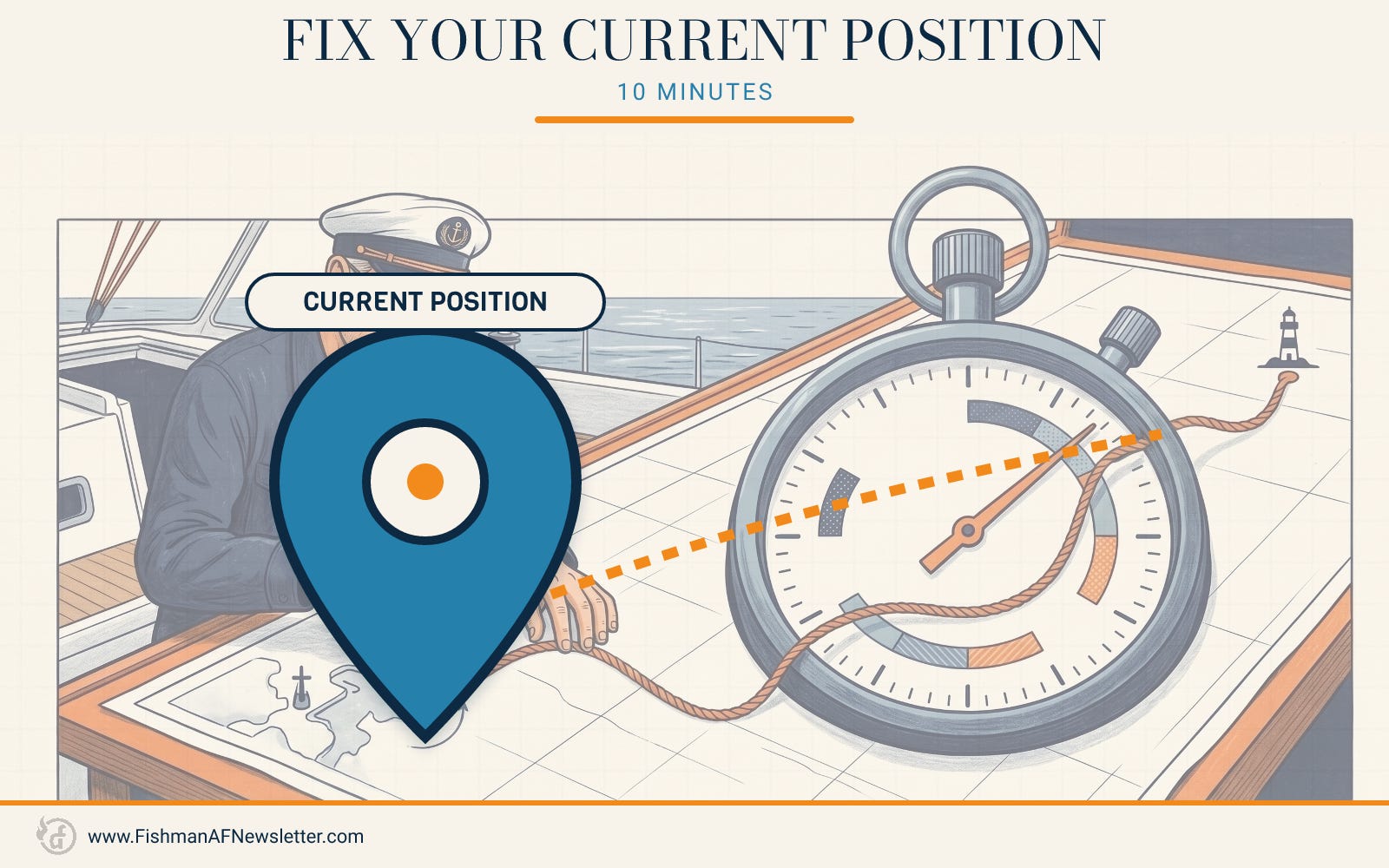
You have to know where you are before you can figure out how to chart your course.
For a promotion, use the company career rubric. For a capability such as influence, define what greater influence would look like in observable terms.
Examples:
I am a product manager and sometimes exhibit the behaviors of a senior product manager. I am not consistently doing X, Y, and Z in the company rubric.
I influence the roadmap of my team, but I have no visibility or sway in what the rest of the teams are building. I can be blocked or be in conflict with other teams which affects our team morale.
My technical knowledge is not deep enough to see how other teams influence my ability to hit deadlines or how I need their help to make my proposals realistic.
Be ambitious about the destination and honest about your current position.
You are being tough on yourself to produce useful feedback, not to punish yourself. If you are too hard on yourself, your manager and peers can and will correct you.
10 minutes: Check the evidence
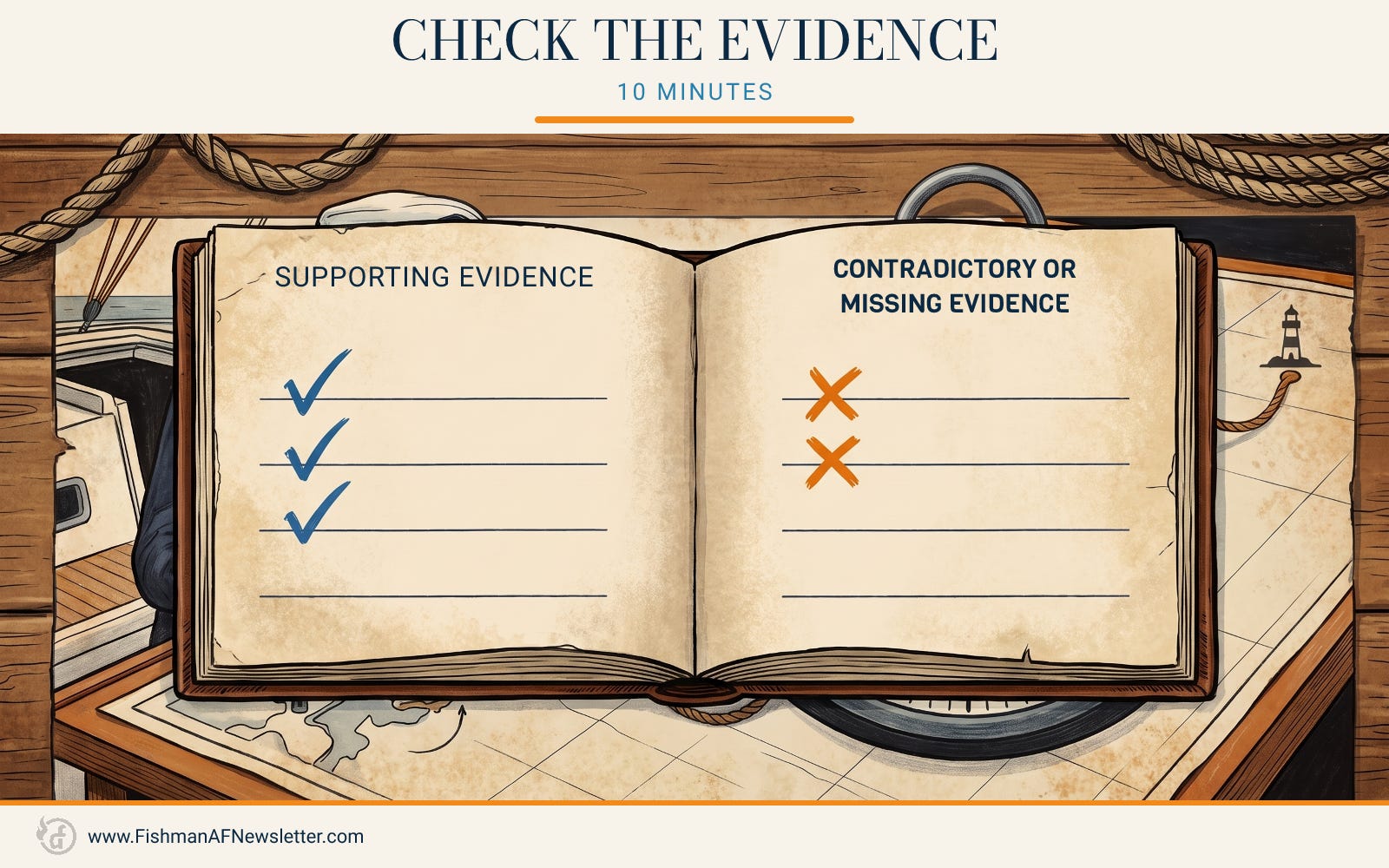
Based on your assessment, find and point to specific examples:
Meetings and decisions
Projects and outcomes
Manager feedback
Peer feedback
Anonymous 360 themes
Examples of what worked
Contradictory or missing evidence
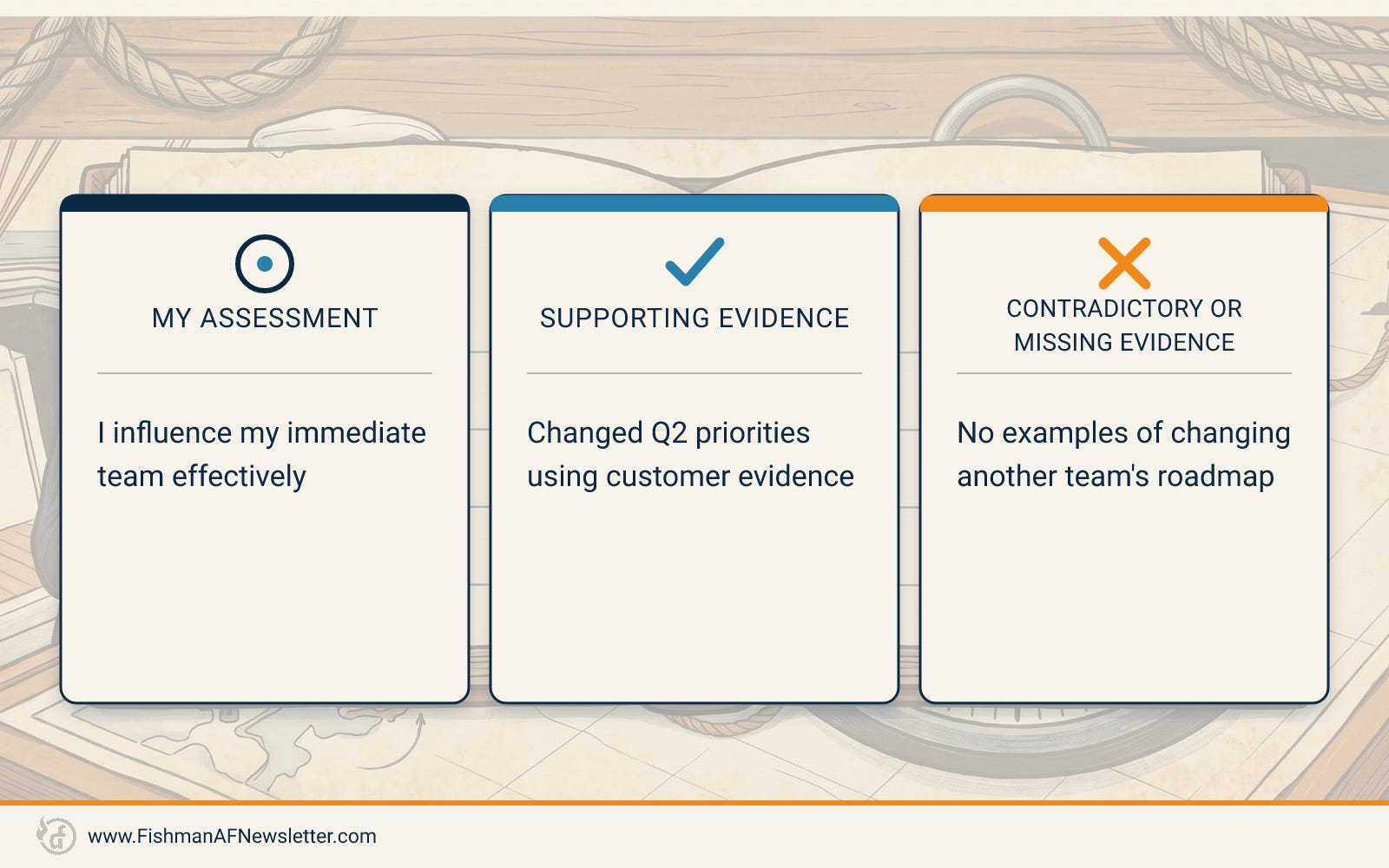
Contradictory evidence makes the assessment more credible. Do not reconstruct everything from memory. That is how recency bias sneaks into reviews.
How to get this:
Ask for your Top 3 / Bottom 3 using the format from the last newsletter.
Ask your AI meeting notetaker to retrieve examples from the past few months.
Use Work Coach to find patterns in what you did well and what you could improve across recent meetings.
If you need fresh peer signal, use the constructive-feedback playbook.
10 minutes: Plot the next waypoint

Choose one real-work opportunity that will build the capability and produce evidence.
Template: To close gap, I will practice [behavior] through [real-work opportunity] and demonstrate progress with [evidence].
A good waypoint is:
Visible
Relevant to the destination
Part of real work
Repeatable when possible
Capable of producing evidence
Courses and coaching can help prepare you. They are rarely the waypoint themselves.
15 minutes: Brief your navigator
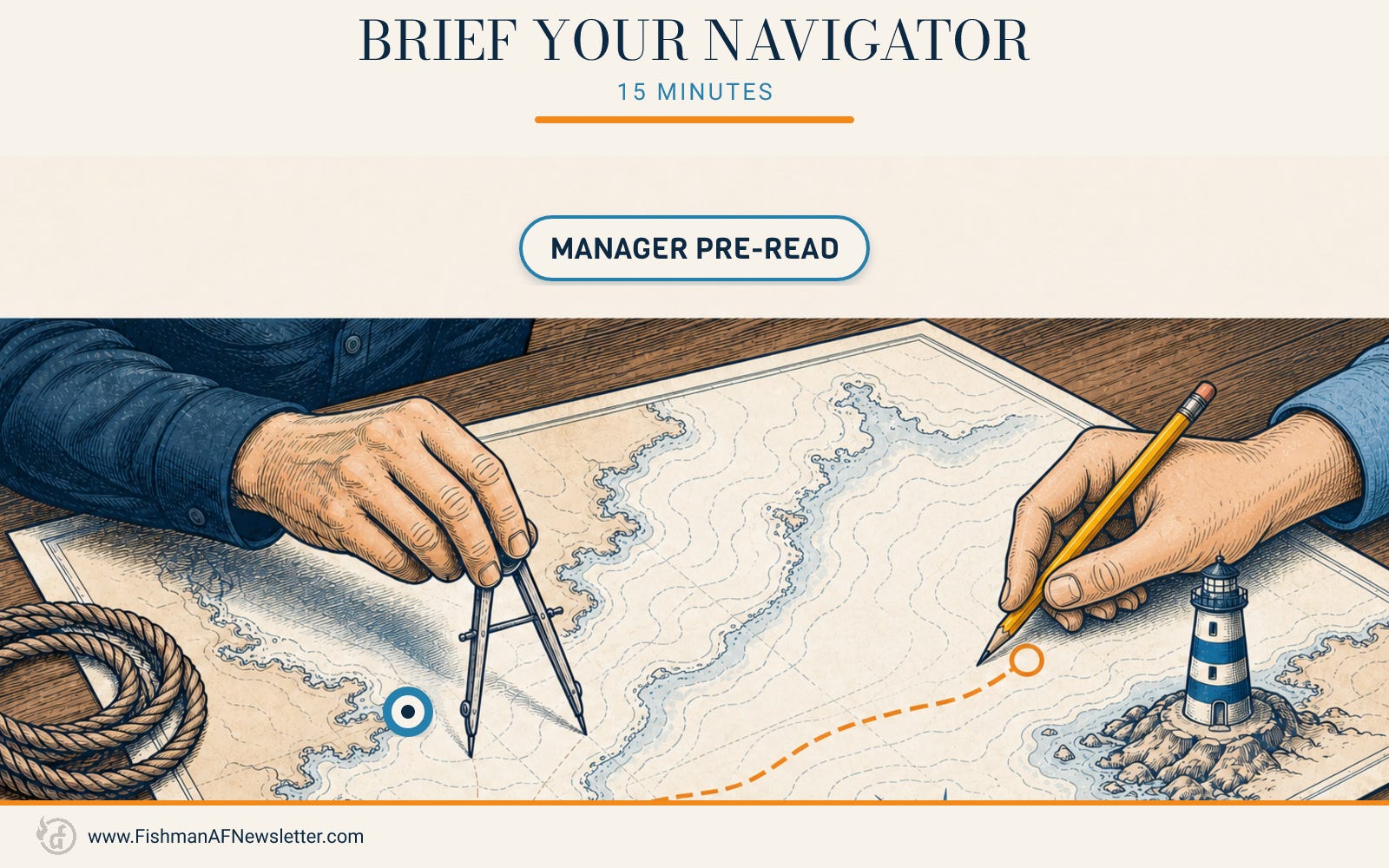
Think about what will help your manager engage with the plan. The underlying material stays the same, but you can change the order:
Lead with development: “I want to become more effective at influencing decisions across teams.”
Lead with business impact: “Improving this should help us increase activation, launch the next set of AI features, or improve retention.”
Most managers care about both. Change the emphasis, not the substance.
Send your manager a short pre-read instead of asking them to invent a career plan or give you generic feedback during a one-on-one. This follows the same principle as the Career Escalator: agree on the specific behaviors, goals, and check-in date that define progress. The brief simply gives your manager a first draft.
Manager pre-read template
I am working toward destination over time period. I assessed myself against rubric or capability. My current read is assessment, based on evidence. The most important gap appears to be gap.
My proposed next step is real-work waypoint, and I would evaluate it using evidence.
I would like your help with three things:
Where is my assessment wrong or incomplete?
Would you support me with specific investment?
Do you think the timeline and goal seem attainable, given what you know?
Make the request easy to approve
Ask for the smallest amount of support that would create meaningful progress. Your manager can always offer more.
Small: Review my assessment and identify the biggest mismatch.
Medium: Give me feedback after two specific opportunities over the next month.
Large: Give me stretch scope, make an introduction, fund a course or coaching, or sponsor me once the evidence exists.
10 minutes: Prepare to correct course
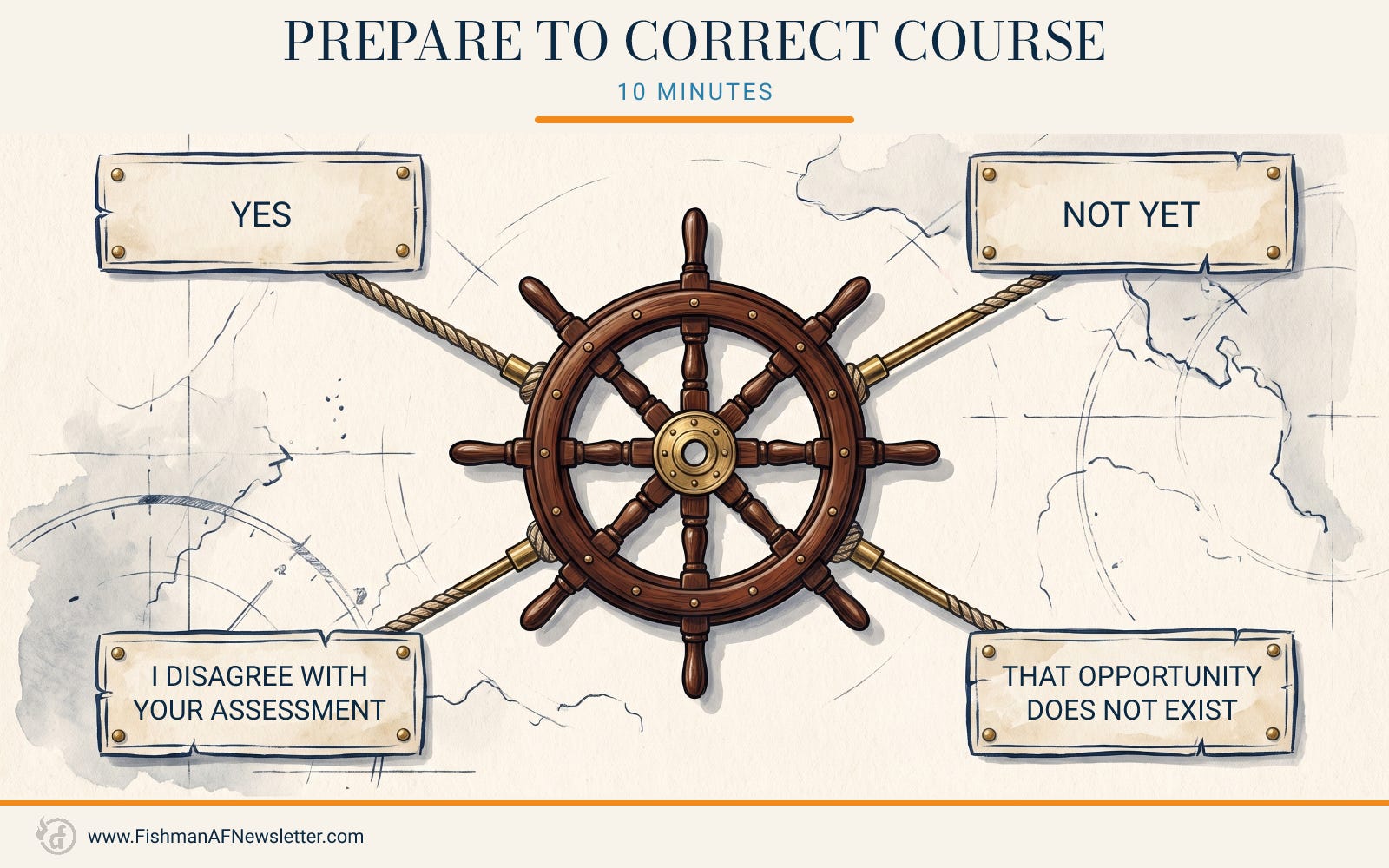
Do not only rehearse the request. Rehearse the four most likely answers:
Yes: Confirm the next action, owner, and date.
Not yet: Ask what evidence would change the answer and when you will review it.
I disagree with your assessment: Ask which part is wrong and what examples your manager sees differently.
That opportunity does not exist: Ask for a smaller waypoint or another real-work opportunity that builds the same capability.
Whatever answer you get, leave with a crisp next step.
Agree on:
The next waypoint
The manager’s investment
The evidence both people will review
Who owns the update
The review date
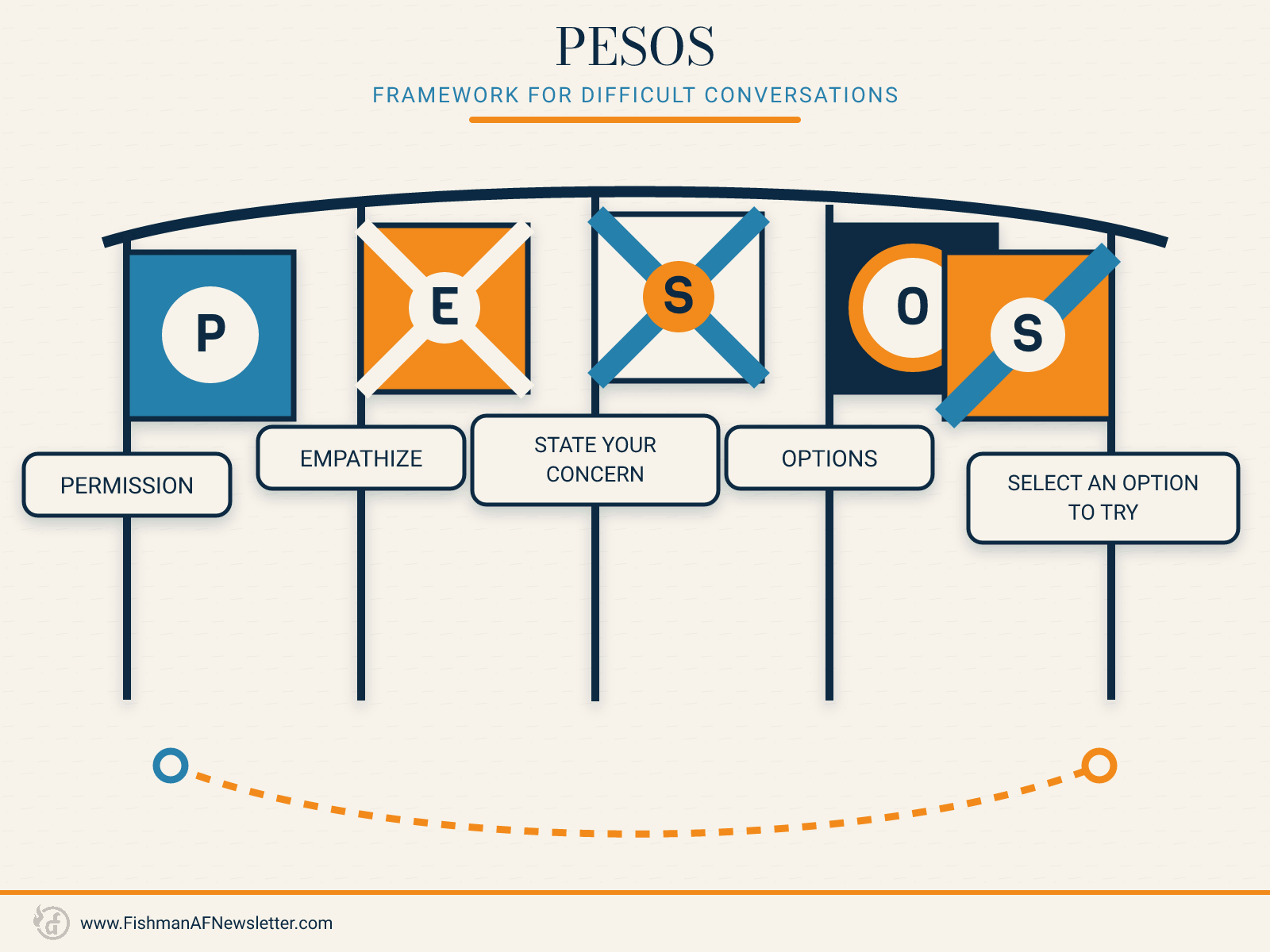
How to do this: If the conversation may be difficult, use the PESOS framework to script and rehearse it. Prepare for likely objections, then observe whether the target behavior changes in the real interaction.
Where Work Coach fits
You can do every step manually, but Work Coach shortens the loop:
Observe recurring patterns in your meetings.
Combine real examples with anonymous 360 feedback.
Draft the Career Navigation Brief.
Rehearse likely manager objections.
Review the real conversation and track changes over the next 30 to 90 days.
When the navigator is NOT useful
This process will work great with a superb manager. They’ll get it and help you since you’re showing initiative and making their job easier. Every manager dreams of having someone on their team that does this on their own. You do all of the hard work for them, and then they get to give you their perspective and advice.
This process will also work when a manager is busy, reactive, inexperienced, vague, or not naturally developmental. It’s much easier to react to something than it is to write it from scratch.
It cannot repair an abusive, dishonest, or politically hostile manager. It will reveal the problem faster. If a manager cannot clarify the bar, respond to evidence, identify a useful opportunity, or offer any form of support, that is important data. You may need to change managers, find another role, or take the assessment to a skip-level leader or mentor. This self-reflection gives those people something concrete to help with.
Got 60 minutes and want to get started?
Downloadable artifacts
Know someone who could benefit from more newsletters like this one? Share The FishmanAF Newsletter with them. Don’t worry, it’s easy…
 | A guest post by
|